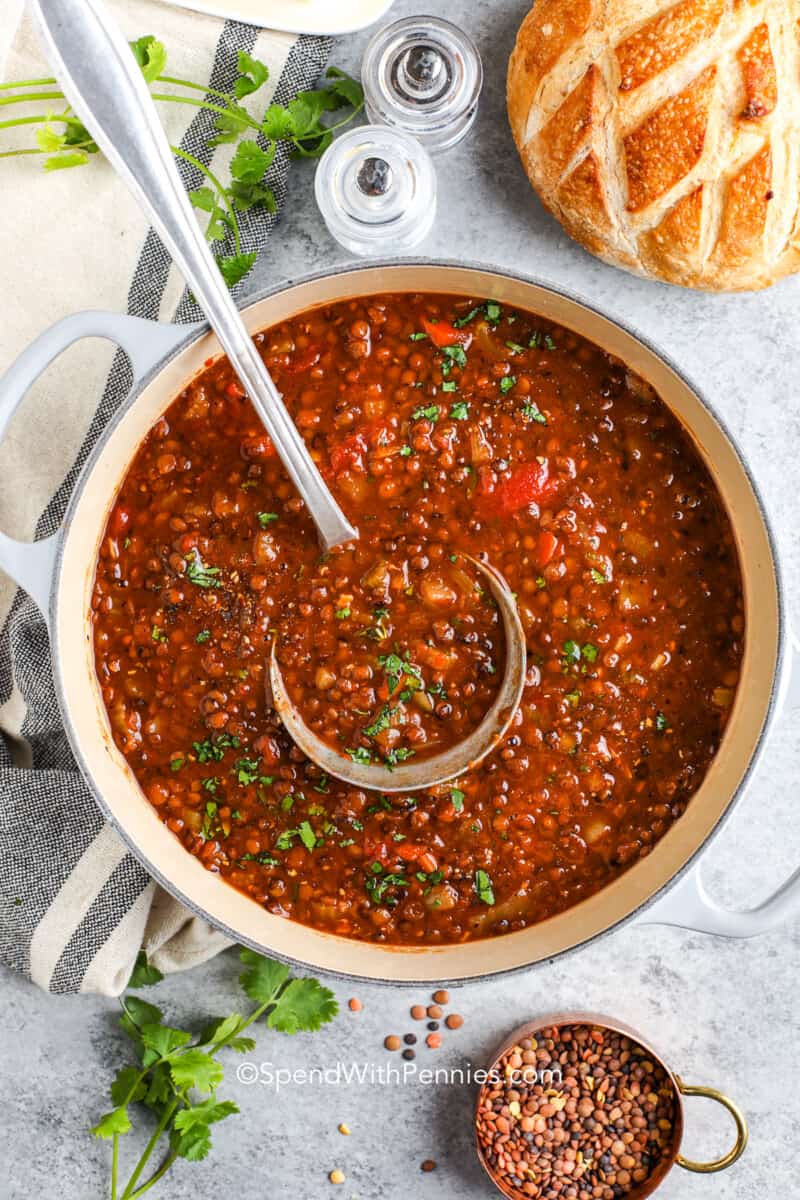
Homemade Lentil Soup: A Wholesome, Versatile, and Freezer-Friendly Staple
There’s something uniquely comforting about a warm bowl of soup, especially when it’s made from scratch with love and wholesome ingredients. Among the countless soup varieties,
homemade lentil soup stands out as a true culinary champion. It’s a dish that embodies warmth, nourishment, and incredible versatility, making it a perfect fit for any meal, any season. Whether you're seeking a hearty lunch, a satisfying dinner, or a smart meal-prep solution, this humble yet powerful soup delivers on all fronts. Loaded with plant-based protein, fiber, and an abundance of essential nutrients, homemade lentil soup is not just food for the body, but also for the soul.
The Enduring Appeal of Homemade Lentil Soup
What makes
homemade lentil soup a perennial favorite in kitchens worldwide? Beyond its delicious taste, it’s a powerhouse of nutrition wrapped in a budget-friendly package. Lentils, the star of this dish, are tiny but mighty legumes renowned for their impressive nutritional profile. They are an excellent source of protein, making this soup a fantastic vegetarian or vegan option when prepared with vegetable broth. Furthermore, lentils are packed with dietary fiber, which aids digestion, promotes satiety, and contributes to overall gut health.
Compared to other bean soups, lentil soup often boasts a quicker cooking time, as lentils don't typically require pre-soaking. This convenience, combined with its one-pot preparation method, elevates it to "go-to" status for busy weeknights. The deep, earthy flavors meld beautifully with a vibrant medley of vegetables and aromatic spices, creating a rich and satisfying broth that truly nourishes. It's a meal that feels indulgent yet remains incredibly healthy, proving that wholesome eating doesn't have to compromise on flavor or ease. Its ability to reheat and freeze beautifully also adds to its practical appeal, cementing its place as a household staple.
Unpacking the Ingredients: Building a Flavorful Bowl
The beauty of
homemade lentil soup lies in its straightforward ingredients, which combine to create layers of complex flavor. Understanding each component helps you craft a soup that’s perfectly tailored to your taste.
Pulses (Lentils)
For a classic lentil soup that maintains its texture and shape, varieties like brown or green lentils are ideal. Brown lentils, in particular, are often lauded for their earthy flavor and their ability to hold up well during simmering without turning mushy. While red lentils are quicker cooking and create a creamier texture, brown or green will give you that distinct, hearty bite in your soup. A quick rinse before cooking is usually all that’s needed.
Vegetables: The Aromatic Foundation
The foundation of any great soup often begins with a mirepoix – a classic combination of diced onion, carrot, and celery. These humble vegetables, sautéed in olive oil, release their sweet and savory flavors, forming the aromatic base of your soup. Garlic, with its pungent notes, adds another layer of depth. Diced or crushed tomatoes, whether canned or fresh, contribute a touch of acidity and sweetness, enhancing the overall richness. For an extra nutritional boost and a pop of vibrant color, consider stirring in leafy greens like fresh spinach or kale towards the end of the cooking process; their slight bitterness can beautifully balance the soup's savory profile.
Broth: The Heart of the Soup
The broth you choose significantly impacts the final flavor. Chicken broth provides a rich, savory base that complements the lentils beautifully. However, for a vegetarian or vegan version of
homemade lentil soup, vegetable broth or even a hearty mushroom stock are excellent alternatives, lending their own unique depth of flavor. Whether you opt for homemade stock or a quality store-bought option, ensure it’s low in sodium so you can adjust the seasoning to your preference later.
Herbs & Spices: The Soulful Symphony
This is where you can truly make your lentil soup unique. A bay leaf is a common addition, imparting a subtle, almost medicinal aroma that enriches the broth. Spices like cumin and curry powder infuse the soup with warm, earthy, and slightly exotic notes, transforming it from simple to sublime. Many recipes also feature dried oregano and thyme for their classic herby fragrance. For a touch of heat, a pinch of crushed red pepper flakes can awaken the palate. After cooking, a squeeze of fresh lemon juice brightens all the flavors, while fresh parsley or cilantro used as a garnish adds a refreshing finish and a vibrant splash of color. Don't be afraid to experiment with your favorite spice combinations to truly personalize your dish.
Crafting Your Perfect Pot: A Step-by-Step Guide
Making
homemade lentil soup is surprisingly simple, primarily involving a few sequential steps in one pot. This minimizes cleanup and maximizes flavor development. For a deeper dive into making an efficient and delicious soup, you might find our guide
Easy One-Pot Lentil Soup: Healthy, Budget-Friendly Meal particularly helpful.
1.
Sauté the Aromatics: Begin by heating a good quality olive oil in a large, heavy-bottomed pot or Dutch oven over medium heat. Add your diced onions, carrots, and celery. Sauté them gently until they soften and the onions become translucent, typically 5-7 minutes. This step is crucial as it builds the foundational flavor of your soup. Stir in minced garlic during the last minute of cooking to prevent it from burning.
2.
Bloom the Spices: Once the vegetables are tender, add your chosen dry spices, such as cumin, curry powder, oregano, thyme, and red pepper flakes. Cook for another minute, stirring constantly. This brief toasting process "blooms" the spices, intensifying their aroma and flavor before the liquid is added.
3.
Combine and Simmer: Pour in your broth, add the rinsed lentils, bay leaf, and any canned tomatoes. Bring the mixture to a boil, then reduce the heat to a gentle simmer. Cover the pot partially and let it cook for 25-40 minutes, or until the lentils are tender. Cooking times can vary slightly depending on the type of lentil used. During simmering, you might notice some foam rising to the surface; simply skim it off with a spoon if desired.
4.
Season and Finish: Once the lentils are cooked through and tender, remove the bay leaf. Season the soup generously with kosher salt and freshly ground black pepper to taste. This is also the stage to stir in any leafy greens like spinach or kale, allowing them to wilt into the hot soup. A final squeeze of fresh lemon juice at the end brightens all the flavors, adding a zesty finish that truly elevates the dish.
5.
Achieving Desired Thickness: If you prefer a thicker soup, you have a couple of options. You can continue to simmer the soup uncovered for an additional 10-15 minutes, allowing some of the liquid to evaporate. Alternatively, for a creamier texture, carefully use an immersion blender to partially blend a portion of the soup directly in the pot. This creates a rich, velvety consistency while still leaving plenty of whole lentils for texture.
Serve your hot
homemade lentil soup with a side of crusty bread, a thick slice of homemade garlic bread, or cornbread for a truly comforting and satisfying meal.
Beyond the Bowl: Storage, Freezing, and Reheating Excellence
One of the most remarkable qualities of
homemade lentil soup is its incredible freezer-friendliness, making it an ideal candidate for meal prepping. This aspect ensures you always have a nutritious, ready-to-eat meal on hand, saving time and reducing food waste. For comprehensive tips on making and storing your soup, our article
Mastering Easy Lentil Soup: Ingredients, Tips & Storage offers further insights.
Refrigeration
Allow the soup to cool completely before transferring it to an airtight container. Stored properly in the refrigerator,
homemade lentil soup will maintain its freshness and flavor for up to 5 days. Its taste often deepens and improves overnight as the flavors continue to meld.
Freezing for Long-Term Storage
For longer storage, freezing is an excellent option. Once the soup has cooled, portion it into freezer-safe containers, heavy-duty freezer bags, or even individual servings in silicone muffin molds (once frozen solid, pop them out and transfer to a freezer bag). Label each container with the date it was made. Frozen lentil soup can last for up to 3 months without compromising quality. This method is perfect for batch cooking, ensuring you have healthy, homemade meals readily available on busy days.
Reheating Tips
To reheat, simply transfer the desired amount of frozen or refrigerated soup to a saucepan on the stovetop over medium-low heat, stirring occasionally until it's heated through to your desired temperature. If reheating from frozen, you may need to add a splash of water or broth to loosen it up as it thaws. Alternatively, individual portions can be reheated in the microwave, stirring halfway through for even heating. A fresh sprinkle of herbs or an extra squeeze of lemon juice upon reheating can instantly revive its vibrancy.
Conclusion
Homemade lentil soup is far more than just a simple dish; it's a testament to the power of wholesome ingredients, thoughtful preparation, and culinary versatility. Its rich nutritional profile, budget-friendly nature, and exceptional freezer-friendliness make it an indispensable staple for healthy and convenient eating. Whether you're a seasoned cook or just starting your culinary journey, mastering this comforting classic will bring countless nutritious and delicious meals to your table. So, gather your ingredients, fire up your stove, and savor the heartwarming satisfaction that only a truly homemade lentil soup can provide.